Arlington, MA Moving Tips: Parking, Permits & Narrow Streets
August, 2026 Time: - 9 minute read
Moving in Arlington: When Narrow Streets Make Moving Day Complicated
Arlington looks easy. Then you try to park a truck there.
Drive down Mass Ave, and it looks like everyone's idea of a calm New England suburb—big old trees, Colonials set back from the sidewalk, and none of the double-parked delivery vans or white-knuckle rotaries you'd find a few miles away in Cambridge or Somerville.
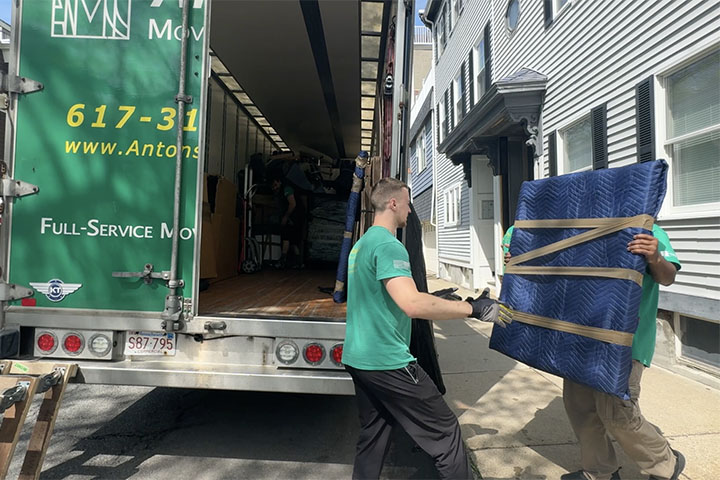
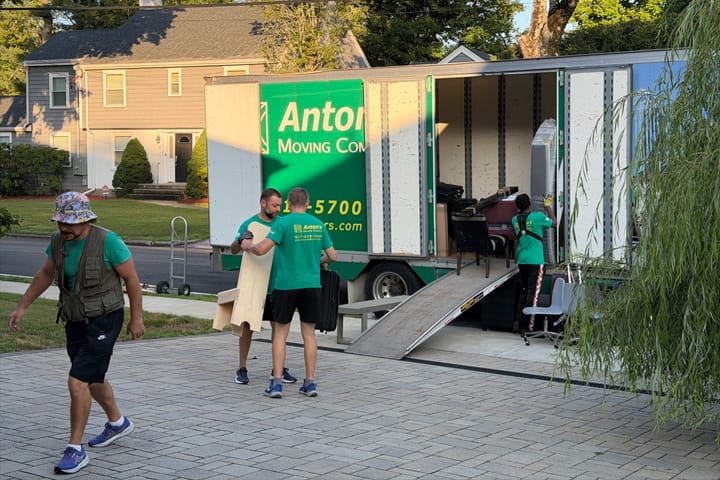
Moving day tells a different story. A 26-foot truck can end up stuck halfway down a side street with cars parked on both sides. A shared driveway may be a couple of inches narrower than it needs to be, and a king-size box spring can get wedged in a stairwell built long before anyone owned a king-size bed. We run into some version of this constantly, and it's rarely about parking meters. It's the streets and the buildings themselves. Here's what actually matters before you book.
Why Moving in Arlington Is Trickier Than It Looks
Towns around Boston tend to fall into one of two camps: dense areas with tightly controlled curbs or wide-open suburbs where you can simply drop the ramp in the driveway. Arlington sits somewhere between the two, which is exactly what catches people off guard.
The town grew up along old streetcar and rail lines, long before trucks this size existed. Pre-war two- and three-family homes, split-levels, and mid-century apartment buildings were built along streets that were never designed for modern moving trucks.
Neighborhood by Neighborhood:
Arlington is not a large town, but conditions change significantly between the Cambridge line and the Lexington border. A moving crew that knows the differences can plan each part of the move accordingly.
East Arlington
Pre-war two- and three-family homes, shared driveways, and narrow streets are common. Parking is genuinely scarce, so speak with your neighbors before moving day rather than while the truck is already blocking someone's space.
Arlington Center
Arlington Center features historic homes, heavy Mass Ave traffic, and driveways that may have blind spots or awkward angles. Your crew may need someone to spot the truck while it is being positioned.
Jason Heights
Jason Heights is quieter and consists mostly of single-family homes with private driveways. The main considerations are usually the incline and the distance between the front door and the place where the truck can safely park.
Arlington Heights
Arlington Heights becomes hillier toward Lexington. Steep, winding driveways can be unsafe for a loaded truck, so staging from the street is often the better option.
Tight Streets and Older Homes: What to Sort Out Before the Truck Arrives
In Arlington, the hardest part is often not the boxes but getting furniture through century-old doorways or positioning a truck beneath branches and wires that were never designed to clear vehicles this tall. If branches over your driveway hang lower than approximately 13 feet, plan on staging from the street instead of risking the truck.
Moving into a two- or three-family home in East Arlington comes with its own challenges. King-size box springs, and some queen-size models, rarely make it up tight interior staircases, so a split box spring or foldable frame can be a practical solution. Deep one-piece sofas and sectionals can have the same problem when navigating right-angle turns. Sometimes the solution is lifting the furniture over a second-floor porch railing; other times, it means using a wider rear entrance. Measuring doorways, stairwells, and ceiling clearance before moving day can prevent most surprises.
Parking a Moving Truck in Arlington: Daytime vs. Overnight Rules
Much of the confusion about moving in Arlington comes from mixing up the town's overnight parking ban with its daytime moving rules. These are two different issues.
The overnight ban is strict: no vehicle may remain on a public street for more than one hour between 1:00 AM and 7:00 AM throughout the year. Residents can request short-term waivers for personal vehicles, but a moving truck should not rely on receiving one. Plan to keep the truck on private property or at a depot overnight.
Daytime Parking and Loading Rules
During the day, vehicles may park on public streets unless signs state otherwise. Arlington does not operate a Cambridge-style street-occupancy permit system for reserving curb space, so a typical residential street is generally first come, first served. Busy commercial areas may have meters and posted time limits, so read the signs carefully.
The absence of an online permit portal does not mean there are no rules. Arlington's Traffic Rules and Orders still require vehicles to park parallel to the curb and leave room for traffic. Daytime unloading on an unrestricted street generally needs no special approval. However, parking in a posted restricted zone or backing the truck up to the curb requires a Special Permit for Loading and Unloading from the Arlington Police Department. Commercial vehicles may remain in a designated loading zone for only 20 minutes at a time, which is not enough for a household move without additional permission.
When to Contact the Arlington Police Department
If your street is especially narrow or close to a busy Mass Ave intersection, contact the Arlington Police Department approximately one week before the move. Provide the address, truck size, and planned moving hours, and ask what documentation or arrangements may be required.
Seasonal Realities: Summer Closings and Winter Snow
The major Boston moving rush often arrives around September 1, when students move between apartments in Allston and Somerville. Arlington follows a slightly different seasonal pattern.
Families looking for good schools and green space make the single-family and condo market especially active in June and July. East Arlington also has a substantial renter population of young professionals and graduate students commuting to Cambridge and Boston, which keeps late August and early September busier than many people expect.
Winter Snow and Moving Day
Winter brings its own challenges. Once Arlington declares a snow emergency, parking is banned on every public street so plows can clear the roads, and overnight waivers or permits become invalid while the emergency remains in effect.
If you are moving in winter, clear the curb itself rather than only shoveling the front steps. The crew needs safe, unobstructed pavement for the ramp. Widen the walkway to approximately three or four feet so two people can carry a couch side by side, and salt the driveway, stairs, and porch.
Building Types and Moving Logistics
Two- and three-family homes are common in East Arlington and often have steep back stairs, tight landings, and shared driveways. Give upstairs or downstairs neighbors advance notice if the truck will block access for several hours.
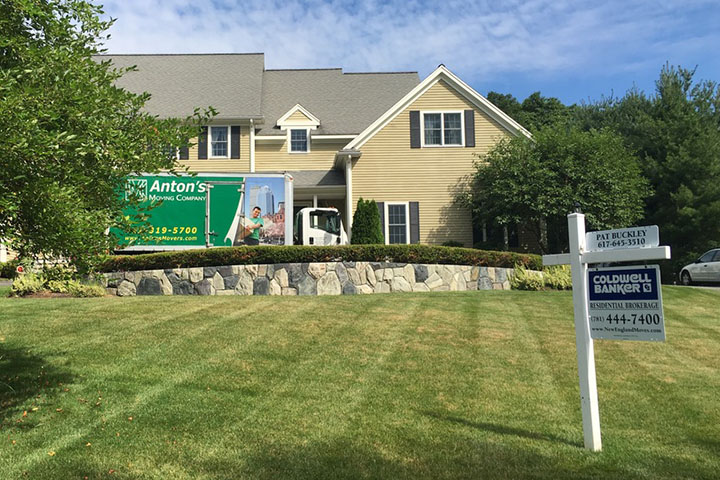
Single-family Colonials and Capes are more common around Jason Heights and Menotomy Rocks Park. The main challenges are often the driveway incline and the distance to the front door. If the house sits on a hill with long stone landscaping steps, tell your movers in advance so they can plan the crew size and equipment.
Apartment Buildings Along Mass Ave
Mid-rise apartment buildings line parts of Mass Ave. Many do not have commercial loading docks, so movers may need to work through a rear courtyard or the lobby. Check with property management about parking arrangements and the hours during which move-ins are permitted.
What to Tell Your Movers Before Moving Day
The more information your crew has in advance, the fewer surprises there will be on moving day. When booking, mention the street width and whether a truck can park without obstructing traffic; whether the driveway is shared, steep, unpaved, or blocked by low branches; which floor you are moving to or from; whether the stairs are wide and straight or contain tight turns; and whether you have sectionals, solid-wood armoires, pianos, or gym equipment that require additional labor.
Also explain how far the truck will be from the door. A short walk up the driveway is very different from carrying furniture 75 feet across a lawn and up stone steps.
Frequently Asked Questions
Does Arlington require a moving truck permit?
Not for a standard daytime move where the truck parks parallel to the curb on an unrestricted street. If the truck must park in a posted restricted area or back up to the curb, you will need a Special Permit for Loading and Unloading from the Arlington Police Department.
Can a moving truck park on an Arlington street overnight?
No. Arlington prohibits street parking for more than one hour between 1:00 AM and 7:00 AM. Plan to keep the truck on private property or at a depot overnight.
How far ahead should I book movers in Arlington?
Book four to six weeks ahead during peak season, from June through early September. Two to three weeks is usually sufficient during the rest of the year, although dates near the end of the month fill quickly.
What happens if it snows on moving day in Arlington?
If a snow emergency is declared, street parking is banned and permits or waivers become invalid. The truck must be parked fully inside a cleared private driveway, or the move may need to be rescheduled.
Final Thoughts
A little preparation goes a long way in Arlington. Measure the hallways, check the branches over the driveway, and confirm that there is a legal place for the truck to park. These steps can make moving day much smoother than the horror stories suggest.
At Anton's Movers, we know Arlington's narrow side streets, historic stairwells, and local parking rules. Whether you are moving across town or across state lines, we plan the approach in advance so the truck fits the street before anyone touches a box.