The Cambridge Moving Permit, Explained: How to Reserve Curb Space Before Your Move
July, 2026 Time: - 8 minute read
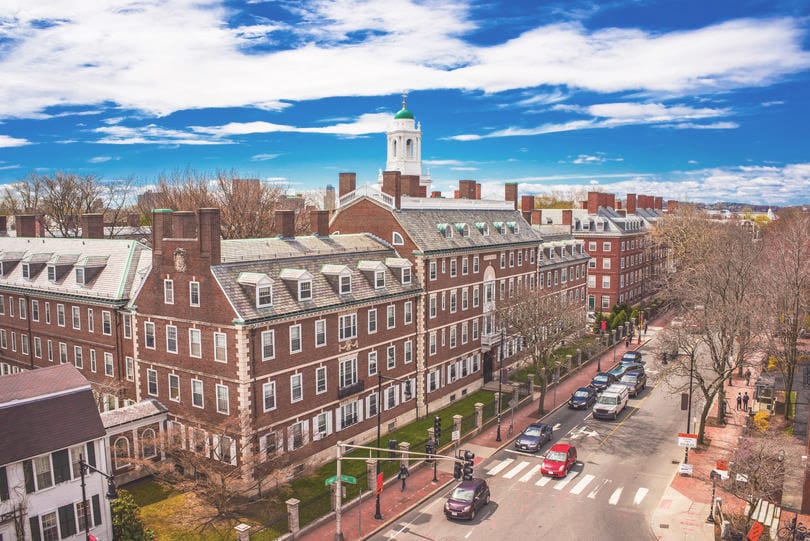
Anyone who has tried to wedge a 26-foot truck onto a side street near Harvard Square knows how the morning can go. The curb is full, the block is one-way, and half the spaces carry resident-only signs. Central Square and Inman Square give you the same trouble on a busy day. This is the exact headache the city planned for, and the fix is a Cambridge moving permit. It takes a few minutes to arrange, and the process stops feeling mysterious once you can see the steps.
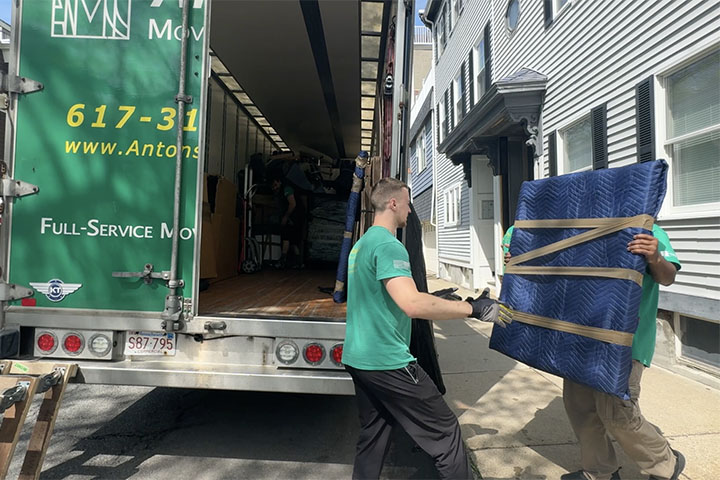
Some people call it a Cambridge parking permit for moving. The city files it under a drier name, a Cambridge street occupancy permit, and a moving van is one of several things that permit can reserve space for. Same document, plain purpose. It gives your truck a legal, reserved stretch of curb for the day, so the crew loads right at the door.
Do I Need a Permit to Park a Moving Truck in Cambridge?
Short version: almost certainly, if the truck will sit on a public street for the day. A moving truck permit in Cambridge, MA reserves that stretch of curb in your name, and it keeps the truck clear of tickets and towing.
A few situations let you off the hook:
- Your building has a private driveway or an off-street loading area big enough for the truck.
- You live somewhere with a real loading dock and a freight elevator, and building management controls that space.
- Your property manager checks and tells you the spot out front needs nothing.
When there is any doubt at all, ask the building manager first, then ask your movers. A good Cambridge moving crew files these permits constantly, and they can usually tell you in under a minute if your address calls for one. For the triple-deckers and walk-ups that fill most of the city, the honest answer is almost always yes.
How to Apply for Your Cambridge Moving Permit
The office that runs this is the Cambridge Traffic, Parking & Transportation Department. Everything happens online, which spares you a trip to city hall, and the request itself is short. Have four things ready before you start: your address, the move date, the truck length, and the number of spaces you want to hold.
The application flow looks like this:
- Pull together your details: address, date, truck length, and how many spaces the truck needs.
- Submit the request on the city's Street Occupancy Permit page. A moving van permit covers up to two consecutive days.
- Pay online with a card once the form is done.
- Collect your permit and the two official No Parking signs that come with it.
A small thing that trips people up: if the curb you want is metered, the city has a tool that shows the exact meter numbers for your address, so note those on the application. The office keeps short hours on Fridays and shuts at noon, so make any call you need earlier in the week.
A permit is tied to one city, and it stops at the line. A move that crosses into Somerville or Boston means a separate application with that city's own department, on that city's own clock, so plan each side of the move as its own job.
How Early Do I Need to Apply for a Cambridge Moving Permit?
This is the step people underestimate. Cambridge wants the request at least seven calendar days ahead of the move, and the department holds to that window. Those days are what it uses to process the paperwork and prepare your signs, and the rule stands even in a quiet week.
Peak season is where early filing matters most. Late August and the September 1 lease turnover pack the city with trucks, so send yours two or three weeks out and save yourself the scramble. The advice is simple: file the day your date is locked, and put it on the calendar so it does not slip.
No Parking Signs for Your Cambridge Moving Truck: Timing and Placement
Your permit arrives with two laminated No Parking signs, and correct posting is the part that actually holds the space for you. The signs go up at least 48 hours before the permit's start time, and a late posting hands the block back to whoever parks there legally in the meantime.
Place the signs according to the following guidelines:
- Set one sign at each end of the space you are reserving.
- A standard moving truck wants roughly 40 feet of clear curb. Trucks typically run between 22 and 26 feet, and the room a crew needs to work either end pushes that reserved stretch toward the 40-foot figure.
- Fasten the signs to something fixed, like a utility pole or a curbside tree.
- Keep the date, time, and permit number legible on both signs.
- Zip ties work well in weather, and heavy-duty tape does the job too.
There are also spots the city will not let you claim, permit or no permit. Keep the signs and the truck away from:
- Any space directly opposite a driveway.
- Anything within ten feet of a fire hydrant.
- Accessible parking spaces.
- Any curb where parking is already banned.
Practical Tips for Move Day
A permit on paper does not guarantee an open spot when the truck rolls up at eight in the morning. A few habits close that gap, and they come from crews who run this every weekend:
- Post the signs close to the 48-hour mark, because signs that sit for days sometimes go missing.
- Call 311 as soon as they are up. That puts a time-stamped record on file with the city, which helps if anyone questions the reservation later.
- Get there early on move day. An empty reserved spot at eight is simple to protect, and that gets harder as more cars come and go through the morning.
- Tell your neighbors ahead of time. People move their cars without a fuss when they know a truck is coming, so a quick heads-up the day before is worth it.
If a sign gets torn down or vanishes before the move, call the Traffic, Parking & Transportation Department at 617-349-4700 during business hours and they can help.
What Happens Without a Permit, or When Your Spot Is Taken?
A skipped permit rarely ends well. Park a moving truck on a Cambridge street with no reservation, and you invite parking tickets, one after another, with the real risk of a tow on top. A towed truck comes back only after you pay the tow and the daily storage that piles up until you claim it, and all of that happens while your furniture waits half-loaded at the curb.
If somebody has parked in your reserved space, follow these steps:
- Tell your moving crew first. They see this constantly and often have a quick workaround.
- Call the Cambridge Police non-emergency line at 617-349-3300 and start the tow on the car that took your spot.
- Make that call early in the day. Towing takes time, and an early start is what gets the curb cleared before the crew is ready to load.
The Easier Way to Handle It
The permit is only the first piece of a Cambridge move. The real work is the move itself, and a crew that already knows these squares, these staircases, and these tight corners handles the hardest parts for you. Our Cambridge movers take on the truck, the stairs, and the tight turns around every part of the city, and if your move reaches into Arlington or another neighboring town, we can walk you through what shifts once you cross the line. File the permit, post the signs on time, and moving day runs the way it should.
Important Contacts
For anything permit-related, go straight to the source:
- Department: Cambridge Traffic, Parking & Transportation Department
- Address: 344 Broadway, Cambridge, MA 02139
- Phone: 617-349-4700 (TTY 617-492-0235)
- Email: CDOT@cambridgema.gov
- Hours: Monday 8:30 a.m. until 8:00 p.m.; Tuesday through Thursday 8:30 a.m. until 5:00 p.m.; Friday 8:30 a.m. until noon
- Apply online: Street Occupancy Permit
- Blocked spot on move day: Cambridge Police non-emergency, 617-349-3300
Frequently Asked Questions
How Much Does a Moving Permit Cost in Cambridge?
The city handles this as a Street Occupancy Permit, with separate daily rates for the truck space and any metered spots it covers. Exact current rates are listed on the city's Street Occupancy Permit page.
Can Anton's Movers Handle the Permit for Me?
Ask us. Our crews run Cambridge moves constantly and know the filing well, so we can walk you through the city form or point you to the right page. Call the office, and we will fold the parking plan into your move well before the day.
Do PODS and Storage Containers Need One Too?
Yes, on its own Street Occupancy Permit. A container that sits on a public street holds the curb the same way a truck does, so the city issues a separate version, good for three consecutive days. Give your real drop-off and pickup dates when you file.